
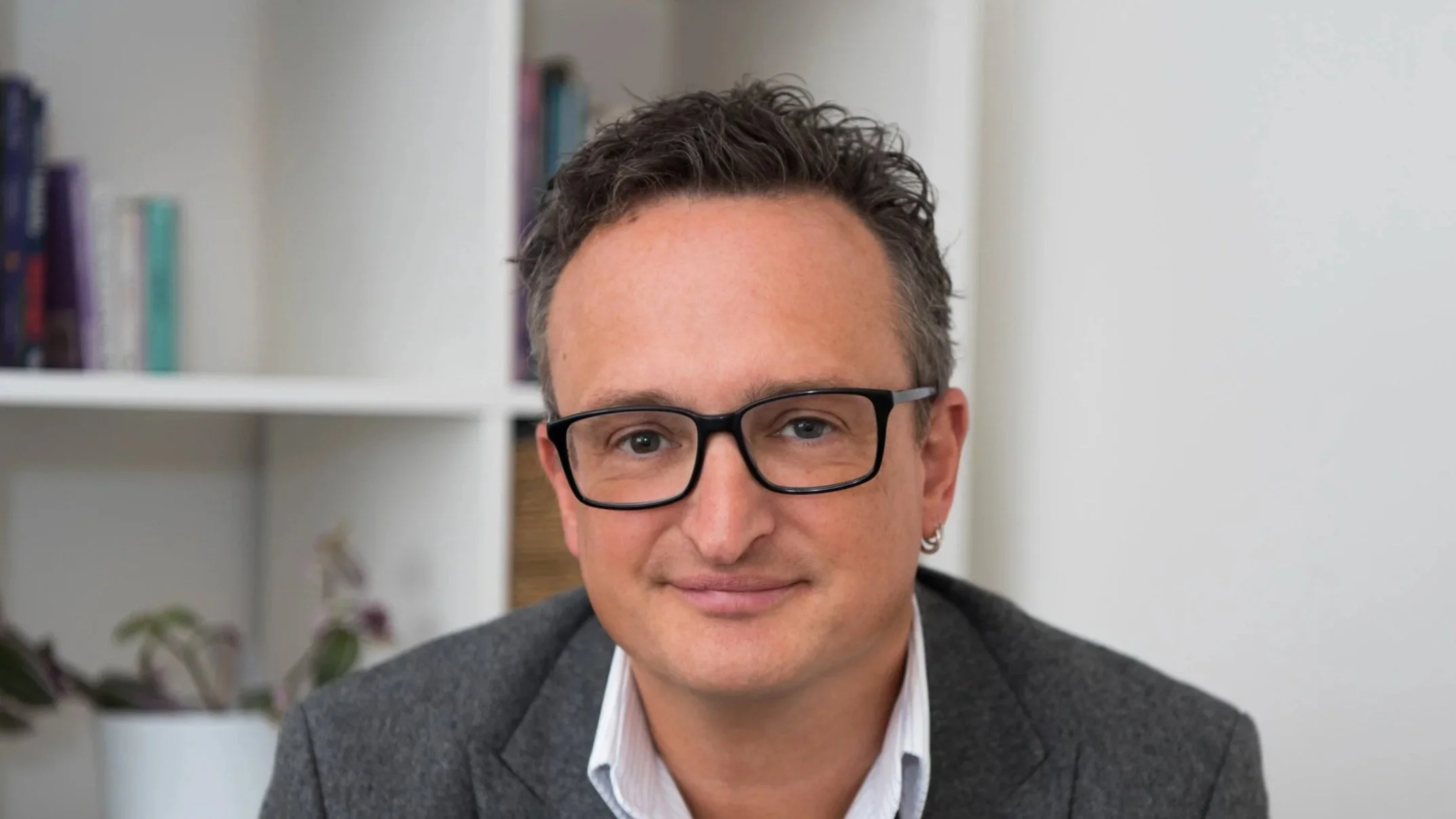
By Christian Dezelu
November is Men’s Mental Health Month in the UK, with campaigns and events nationally and locally helping to raise awareness of the emotional, social and psychological challenges which men face.
It’s a subject close to my heart, being a male counsellor and having just completed research looking at men’s experiences of counselling.
If you’ve ever seen a movie or TV show with a psychotherapist in it, you might think it’s all rather daunting and involves lying down on a leather sofa while a stern old man strokes his beard while interpreting your deepest thoughts.
Thankfully, it’s not like that.
Counselling is about supporting you, helping you identify your goals and working towards them at a pace that’s right for you. There are many different approaches too, so help can be tailored to your needs.
Men are sometimes less able to recognise emotional difficulties, to ask for help or to persist with help when it’s offered. To help men more effectively, it’s useful to understand what they want and need from therapy, and what they see as the barriers to achieving that.
Sometimes it can be the stigma of seeking help, traditional masculine beliefs about manliness and coping, embarrassment, or uncertainty around what to expect from counselling. Often men only seek help when things have reached crisis point, or when their ways of coping with the stress become a problem.
For example, fewer men than women seek support for emotional issues, despite having higher levels of suicide than women. Around a third of the 1.76 million referrals to NHS Talking Therapies in 2022/2023 were for women, outnumbering men in every region of the UK.
Even when men access talking therapies for common mental health problems, such as anxiety, PTSD, depression, phobias and OCD, around a third will end counselling prematurely.
My own review of research papers from the last 20 years has looked at men’s beliefs about their mental health, what they found helpful or unhelpful, and how we might tailor services to meet those needs.
The good news is that mental health services like counselling have a lot to offer men.
Whether it is helping to demystify some of the myths and expectations around mental health and counselling, collaborating closely on ideas and goals and building therapeutic relationships which are friendly, warm and non-judgmental, men-friendly therapy can be really helpful in overcoming some of those barriers and creating a safe, welcoming space for men to still be men, but also to get the support they need.
Ultimately that might help us to improve or even save lives.
Christian Dezelu MBACP is an associate therapist at Sunrise Wellbeing and practices online. View Christian’s profile here.